Steel is a wonderful metal as it can be remelted and reused repeatedly. In a full-circle operation, Alleima and eyewear design and manufacturing company MYKITA have joined forces in a recycling collaboration benefiting both the environment and the respective organizations.
Traditional steel production based on iron ore melted in a blast furnace and heated with fossil fuels has a large CO2 footprint. However, steel is a unique material as it can be recycled over and over again, and it is the most common metal found within the scrap metal industry with just under half of the worldwide steel production currently being recycled.
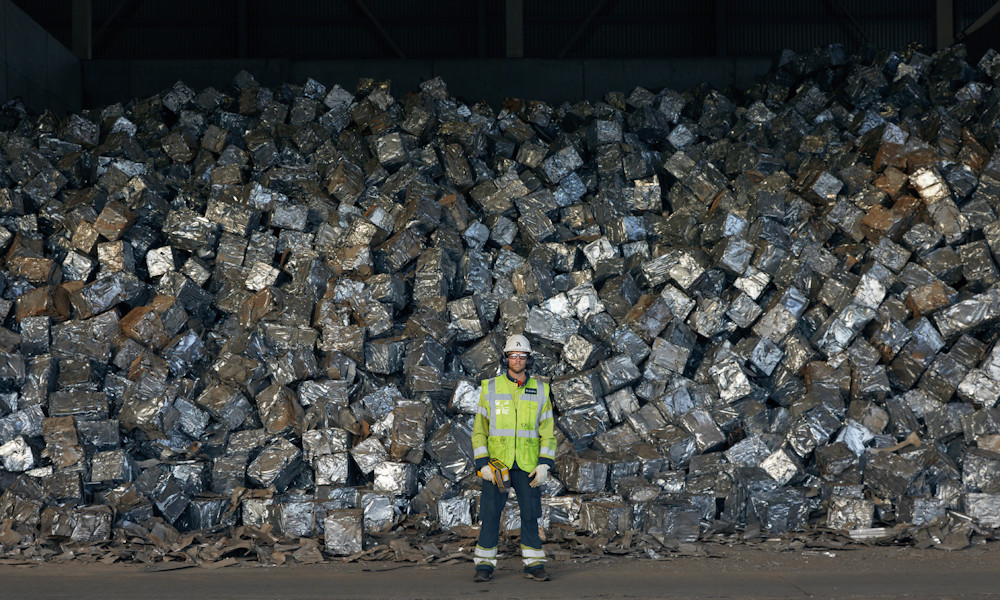
Alleima aims for industry-leading sustainability. Already today, its production is based on more than 80% recycled steel relying on an electric arc furnace that runs almost entirely on fossil-free electricity to melt the stainless steel produced.
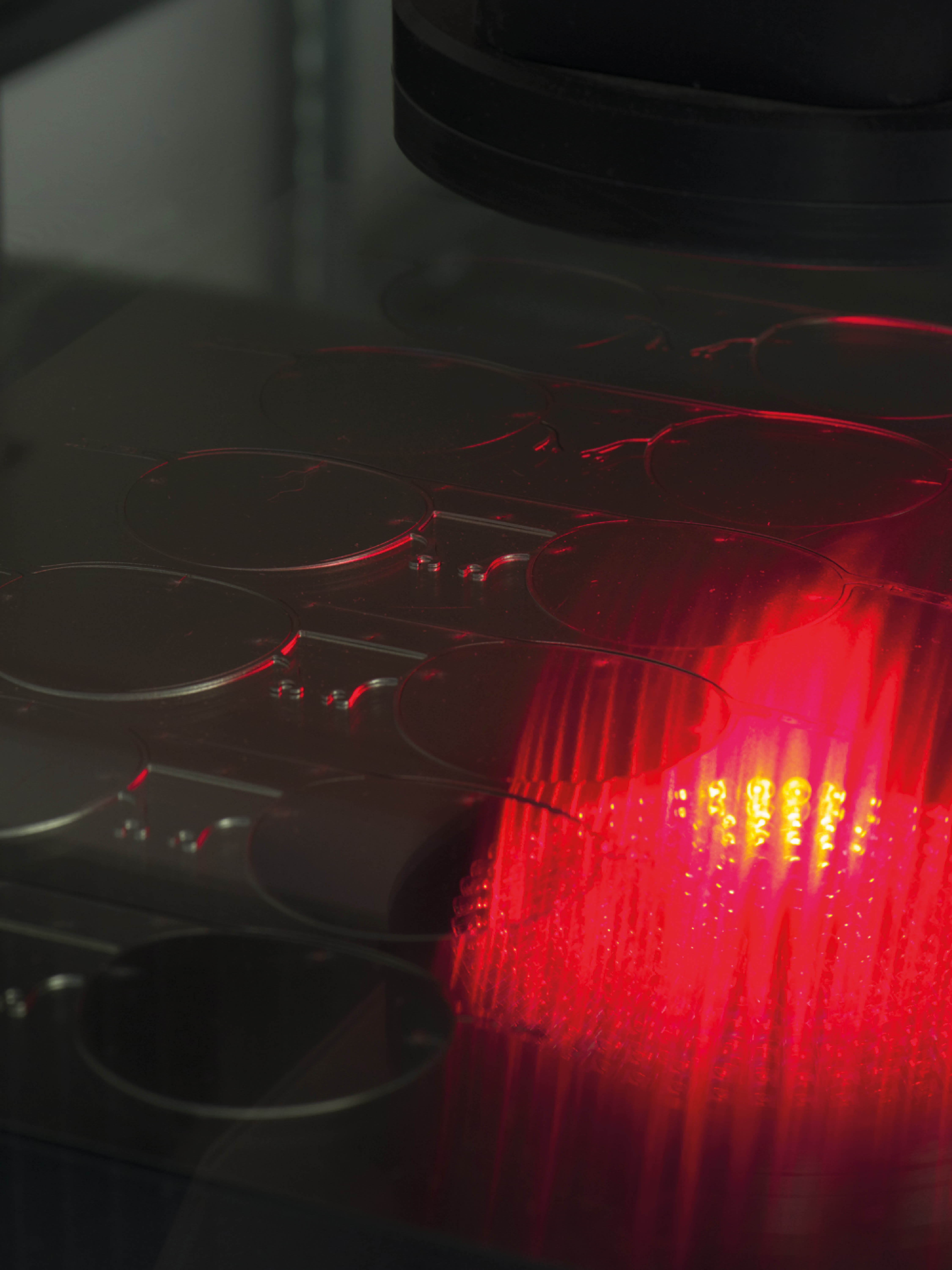
In a full-circle operation, Berlin-based eyewear brand MYKITA and Alleima have joined forces in a new recycling collaboration that benefits the environment and their respective operations.
“We have had a close partnership with MYKITA for many years. Now we are proud to tell you that we deepened our partnership to also include sustainability and circularity. Sustainability is present in all aspects of our operations today, and we continuously work to further minimize emissions", says Mikael Silver, Head of Sustainability at Alleima Strip division.
MYKITA buys specialty steel grades from Alleima for their production and returns the leftover steel scrap for Alleima to reuse in production. A win-win.
The metal scraps are returned to the Alleima raw materials yard, with the exact analysis known, and go directly back into the recycling process to produce the steel grade that MYKITA uses to produce their frames. It marks the start of a closed-loop production.
MYKITA combines handcraft with high technology to manufacture its eyewear designs. The very first MYKITA collection launched in 2003 was made from a thin sheet of stainless spring steel, made by Alleima.
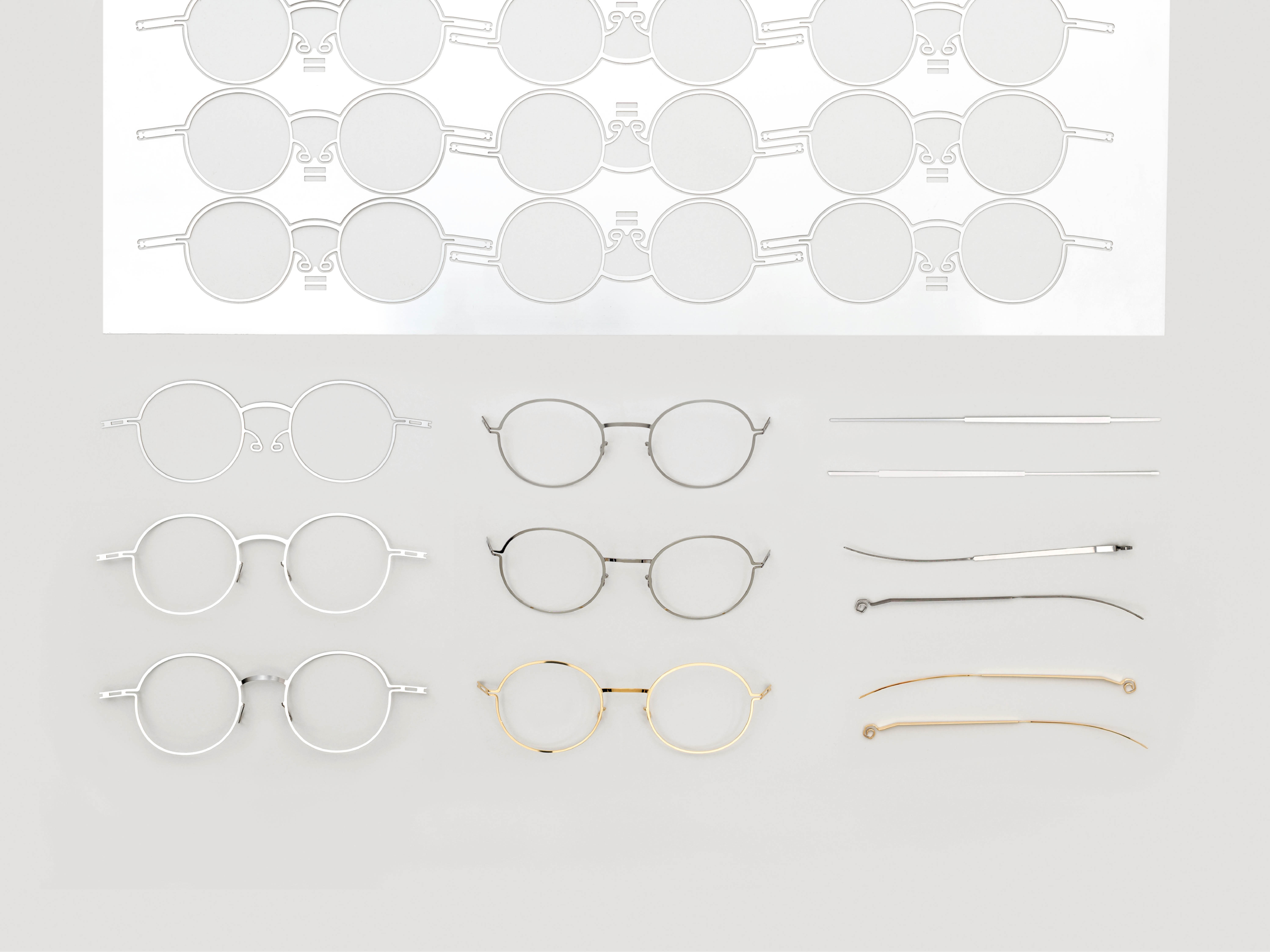
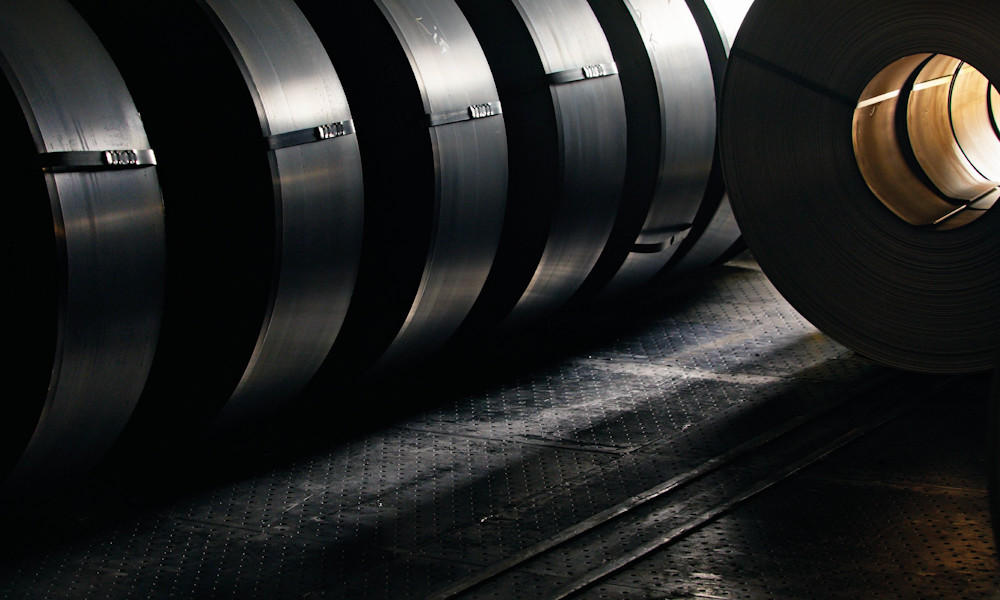
The spring steel has excellent corrosion resistance and superior mechanical properties, the perfect mix between malleability and tensile strength for the purpose of MYKITA frames. It features a very high recycled content of 90%, with the remaining 10% of virgin raw material added to get to the needed metallurgy.
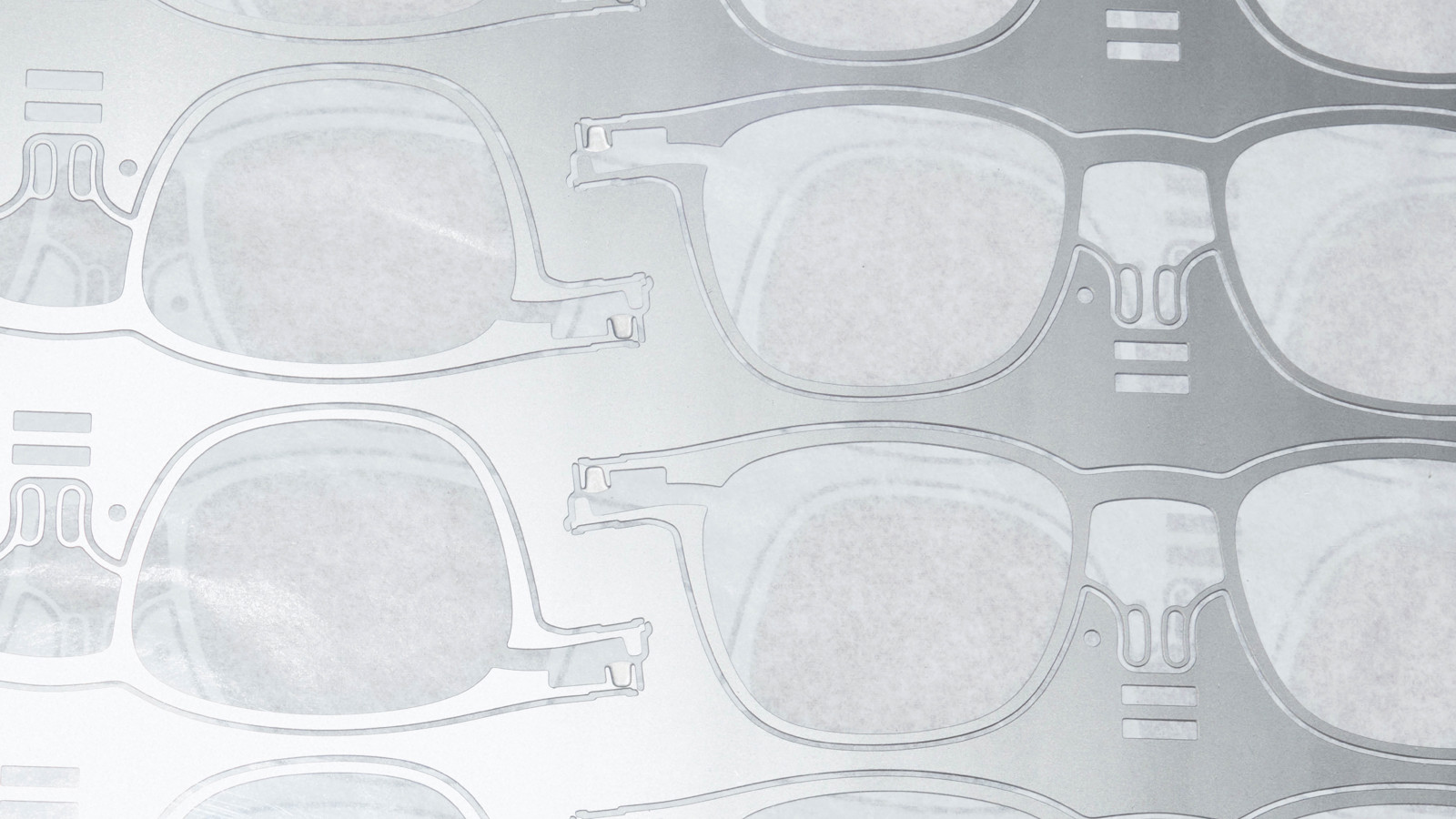
The next step of making a metal MYKITA frame is “cutting” the frame parts, fronts and temples, out of the sheets. Once the pieces are pre-cut, either through chemical etching or laser cutting or both combined, the sheets arrive at the MYKITA HAUS where the artisans take the pieces out of the sheets to start folding and bending them into their desired shapes, later to be surface treated and then handcrafted into frames.
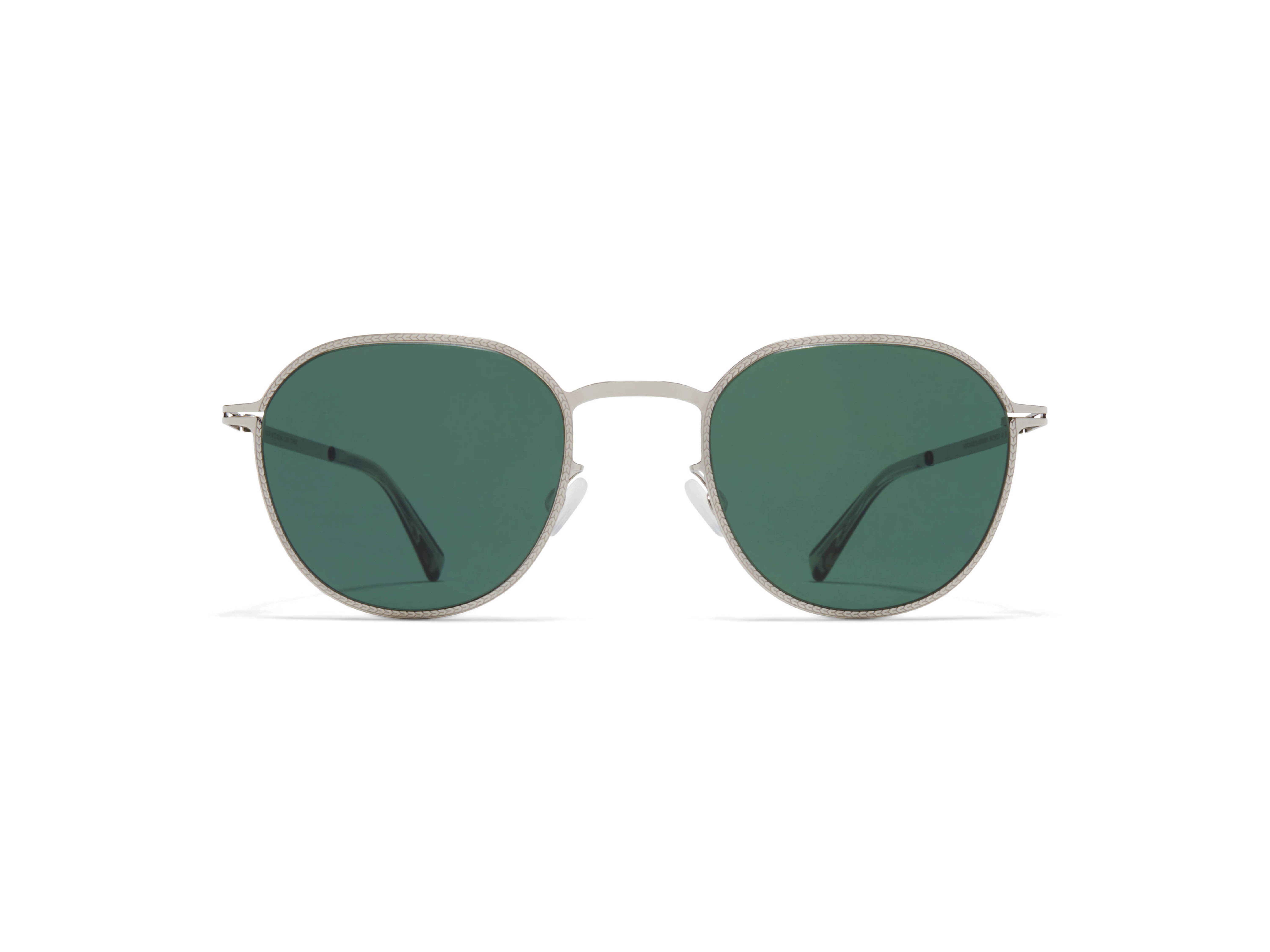
After removing the parts, a high percentage of steel sheet is left over’. MYKITA has been recycling its scraps from the beginning. In the summer of 2022, MYKITA optimized this material cycle to achieve full circularity through the partnership with Alleima.
“We can only make true sustainability progress with close partnerships along our value chain,” says MYKITA founder and creative director Moritz Krueger. “Alleima is a highly progressive player in this field, and we are proud of our 20-year partnership – we share the belief that innovation in materials and engineering is essential to advancing the industry and protecting the environment.”
*On a global scale, approximately 96% of the global electricity usage of Alleima is fossil-free.